

From Flood Recovery To Resilient Health: The Impact Of UNICEF-backed Interventions In Far North Region
- Par Kimeng Hilton
- 07 Dec 2025 15:13
- 0 Likes
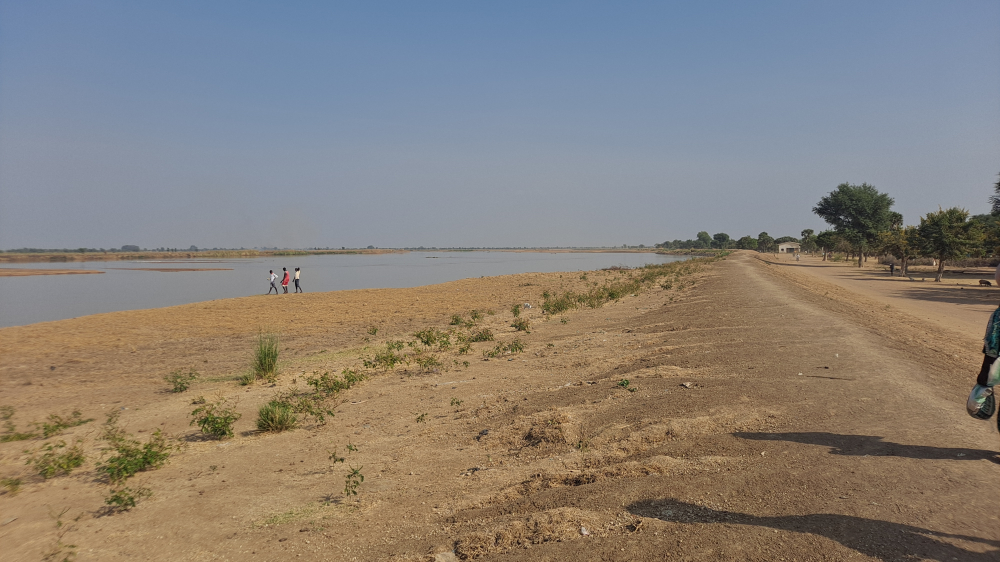
Prone to devastating yearly floods, Vele Health District in Mayo Danay Division is a case study in managing health emergencies.
Vele, Far North Region, Cameroon - In the vast, challenging landscape of Cameroon's Mayo Danay Division, a quiet but determined battle is being waged against a persistent adversary: malnutrition. Despite the shadow cast by devastating 2024 floods and ongoing logistical hurdles, local health officials report a vital shift in momentum, crediting a dedicated network of community-based volunteers for bringing hope to the health district’s 179,090 inhabitants.
Too Close For Comfort
This is more so as Vele is located only 10 metres behind the dyke on River Logone, which overflows its banks every year. Thereby recommencing the battle to cope not only with the floods, but more importantly with their socio-economic effects often left behind by the rising waters.
Perennial Challenges
The Vele Health District, an area encompassing two subdivisions and 12 health facilities, registered a concerning malnutrition rate of 10.3% following a comprehensive general screening in 2024, according to Dr. Hamoa Abdoulaye, the District Medical Officer. The floods in 2024 exacerbated an already precarious situation, causing widespread displacement and destruction of crops, which led directly to food scarcity and a spike in health crises.
Yet, even as the environmental challenges remain a constant threat, the narrative on the ground is shifting from crisis management to effective intervention, thanks to the tireless efforts of frontline Community Health Workers (CHWs).
Power Of Proximity
These multi-purpose health volunteers are the backbone of the district's strategy. Their proximity to the populace in the 10 health areas means they are often the first - and sometimes only - point of contact for families in remote villages.
"Community Health Workers are doing a great job by raising awareness on health issues, screening children under 59 months old for malnutrition, and referring difficult cases to health facilities," noted Dr. Abdoulaye.
This field-level initiative is yielding measurable results. While data for the 2025 rate of malnutrition is still being compiled, Dr. Abdoulaye highlights a critical metric of success: a "steady rise in the number of children admitted and successfully managed for malnutrition" in local facilities.
This increase in admissions is not necessarily a sign of a worsening crisis, but rather powerful evidence that the systems designed to identify and treat the condition are working as intended. The CHWs are successfully "picking out cases of malnourished children in their communities" who might otherwise go untreated.
Targeted Support Drives Success
The improved efficiency of these volunteers is a direct result of targeted investment and training. Recently, CHWs received vital training and refresher courses with the support of the Japanese Government...
Cet article complet est réservé aux abonnés
Déjà abonné ? Identifiez-vous >
Accédez en illimité à Cameroon Tribune Digital à partir de 26250 FCFA
Je M'abonne1 minute suffit pour vous abonner à Cameroon Tribune Digital !

- Votre numéro spécial cameroon-tribune en version numérique
- Des encarts
- Des appels d'offres exclusives
- D'avant-première (accès 24h avant la publication)
- Des éditions consultables sur tous supports (smartphone, tablettes, PC)


Reactions
De la meme catégorie

Affaire Martinez Zogo: Le 36e témoin entre en scène
- 27 Oct 2026 10:04
- 0 likes
Cameroon Medical Council: Newly Elected Pledges to Restore Dignity
- 27 Oct 2026 10:03
- 0 likes





Commentaires