

“Contribution Of Traditional, Religious Authorities To Peace Is Significant But Insufficient”
- Par Roland MBONTEH
- 09 Sep 2026 12:24
- 0 Likes
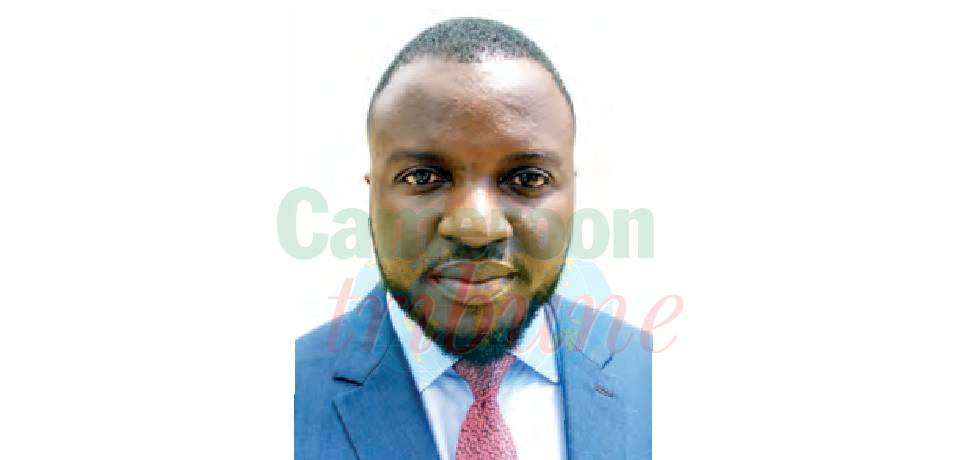
Dr. Tilarious Atia, Political Scientist.
How can you evaluate the role of religious and traditional au thorities to the peace efforts in the restive English-speaking Re gions? Although insufficient, I am bold to say that the contribution of traditional and religious authorities to the peace efforts in the restive English-spea king regions is so far significant. We are almost ten years into the armed conflict. Neither religious nor tradi tional authorities have been able to proffer a magic wand to end the ar med conflict, but they have helped preserve dialogue, social cohesion, humanitarian resilience and local mechanisms for conflict management in an environment where trust in formal institutions has been severely weakened. Religious authorities have provided channels of communication across conflict and political divides. Churches, mosques and other faith communities have retained relationships with com munities and actors that formal po litical institutions sometimes struggle to reach. Religious leaders have also repeatedly advocated dialogue, ces sation of violence and reconciliation. Traditional rulers bring a different but complementary asset: customary legitimacy and intimate knowledge of local communities. They unders tand local grievances, family and community networks and traditional mechanisms for dispute resolution. Their continued engagement is par ticularly important because traditional institutions themselves have been weakened by displacement, killings and intimidation during the conflict. I think President Paul Biya was ins pired by the very important role of traditional rulers to prescribe the ur gent need for community dialogue when he addressed the nation on 31 December 2025. President Biya urged administrative authorities, tra ditional rulers, and vital forces in the North-West and South-West Re gions to commit themselves resolu tely to the community dialogue pro cess. Together, traditional and reli gious authorities therefore constitute an important form of social infra structure for peace. Have their efforts yielded pal pable fruits in the field? The fruits of the efforts of traditional and religious authorities come alive each time we look at the evolution of the socio-political situation in the North-West and South-West regions. Let us give them their flowers. Their peacebuilding efforts are palpable. We hope that they can do more to wards conflict termination. Their contribution is visible in maintaining community dialogue, humanitarian assistance, reconciliation initiatives and social cohesion. Religious insti tutions have continued providing education, healthcare, humanitarian and psychosocial support despite the crisis. Religious leaders have also demonstrated an ability to bring different denominations and faith communities...
Cet article complet est réservé aux abonnés
Déjà abonné ? Identifiez-vous >
Accédez en illimité à Cameroon Tribune Digital à partir de 26250 FCFA
Je M'abonne1 minute suffit pour vous abonner à Cameroon Tribune Digital !

- Votre numéro spécial cameroon-tribune en version numérique
- Des encarts
- Des appels d'offres exclusives
- D'avant-première (accès 24h avant la publication)
- Des éditions consultables sur tous supports (smartphone, tablettes, PC)


Reactions
De la meme catégorie

Dialogue communautaire: La force des mots
- 22 Oct 2026 19:47
- 0 likes





Commentaires