

Beneath The Armour: When Men Feel Pain, Can’t Talk
- Par Eulalia AMABO
- 15 Jun 2026 11:23
- 0 Likes
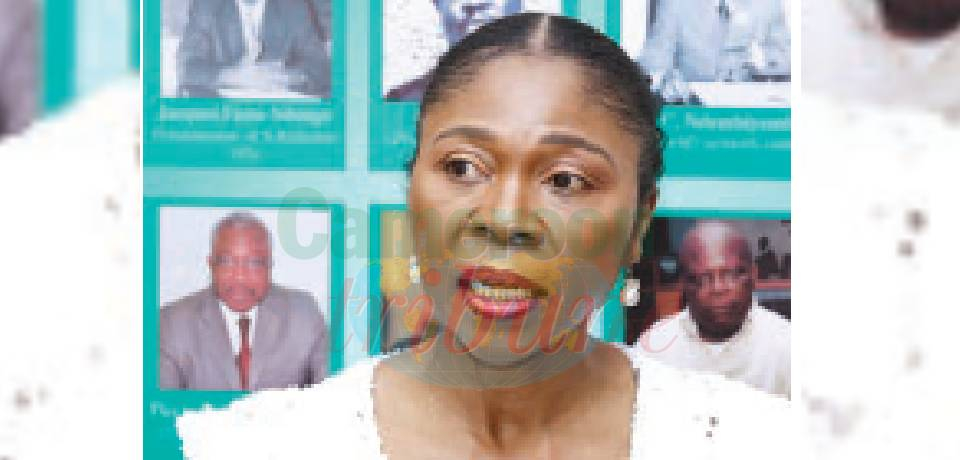
The 94-page publication of Dr Bernadette Atanga mirrors the vulnerability of men, need for societal acknowledgement and how it could be handled.
“Worldwide, cultures have programmed men not to show emotions. Most men are encouraged to hide Beneath an Armor of strength. Contrary to popular belief, when they are hurting or in pain, men do cry in their own way. When they don’t cry healthily, the resulting effect is seen not only in their poor physical and mental health, but also in the negative impact it has on their loved ones and people around them,” partly reads an excerpt of the book Beneath The Armor: Eight Practical Strategies for Men to Embrace Vulnerable and Lead with Authentic Strength. It explores how society pressures men to supress emotions, consequently having an impact on their leadership roles and personal relationships. Readers are presented with a global situation of the impact of repressed emotional pain and trauma, and the intersection of culture, physical, mental and emotional health and conflict. As explained by the author in an interview with Cameroon Tribune, the objective is to begin conversations on the pain men experience, give them space to speak up and heal as a way of building stronger families and communities. Written in basic English, publication can be purchased on Amazon (25 dollars, approximately FCFA 14,000) and on the E-book platform (9 dollars, approximately FCFA 5,000). Purchase is also possible through a third party and the use of school proprietors.
“Book Is Meant To Help Start Conversation On Men Vulnerability”
Dr. Bernadette Atanga,
Author, Beneath The
Armor.
book is passing across? So the book, Beneath The Armor as the title says, is looking beneath the armor and that is the armor of strength that people carry, and in this particular case, men. And so it says it's eight practical strategies for men to embrace vulnerability and lead with authentic strength. What does that mean? We want our men to be strong leaders of the family, community and at work. However, our cultures internationally have also programmed men in a challenging way that says to be a strong man, you cannot express emotions. And in my career (medicine) and in emotional health, men have paid a price for that cultural programming because we all hurt. So from when they are children, they are taught not to cry. They say, oh, no, you are a man. Tough it up! So the price of that is when you hurt for a variety of reasons, it could be just a death in the family, loss of a job, loss of a child, all those things that are painful, but men are forced to hold it in. But it does not stay in and it will not come out the way you expect. It comes out in different ways. And a lot of them could just be unhealthy for the men, like alcoholism, drug use, promiscuity and so on. Or it can be unhealthy in ways that affect their relationship with their spouses or their children or even at work. So they could be successful at work, but they may not have the best relationship, especially if they are managing people. You hear about toxic bosses. So why the focus on men? People always ask me that. I started working on behalf of children and women because that is what is easily identified as the vulnerable population. I also knew that children, especially boys were growing up in circumstances that created difficulties for them that were not expressed and later on showed up in adulthood. I realised that men themselves were identifying to pain. So every time I spoke to men, you could hear a pin drop because it was the first time that somebody was speaking to their pain, giving them permission and acknowledgement that they hurt, and offering a solution so that they are not weak. If anything, it takes a strong man to say they are going through pain and I need to heal. So that is how that started and at the same time, I was working with men in the United States. Then realised this was an international problem especially emotional suppression in men and young boys and that if we needed to address the violence in society, we need to build strong families and communities. We cannot focus just on women's and children’s empowerment. We need to address men's issues and give them space to heal. What do you intend to achieve by publishing this book? This book is meant to help people start the conversation. It is a very easy read and I did it just the same as I did family matters which is the programme I recorded and donated to CRTV in 2008. I got a lot of feedback from people because one of the things we did not have and I don't know what the statistics are now for our community but at that time when I spoke to late Professor Ndumbe he was the Dean at the medical school in Yaounde, he had told me that in Cameron at the time, they were five psychiatrists, two of whom were working out of the country. So there was a need to reach pe...
Cet article complet est réservé aux abonnés
Déjà abonné ? Identifiez-vous >
Accédez en illimité à Cameroon Tribune Digital à partir de 26250 FCFA
Je M'abonne1 minute suffit pour vous abonner à Cameroon Tribune Digital !

- Votre numéro spécial cameroon-tribune en version numérique
- Des encarts
- Des appels d'offres exclusives
- D'avant-première (accès 24h avant la publication)
- Des éditions consultables sur tous supports (smartphone, tablettes, PC)









Commentaires