
Bridging Tradition, Science: Experts Back Evidence-based Traditional Medicine Practice
- Par Kimeng Hilton
- 05 Sep 2026 12:31
- 0 Likes
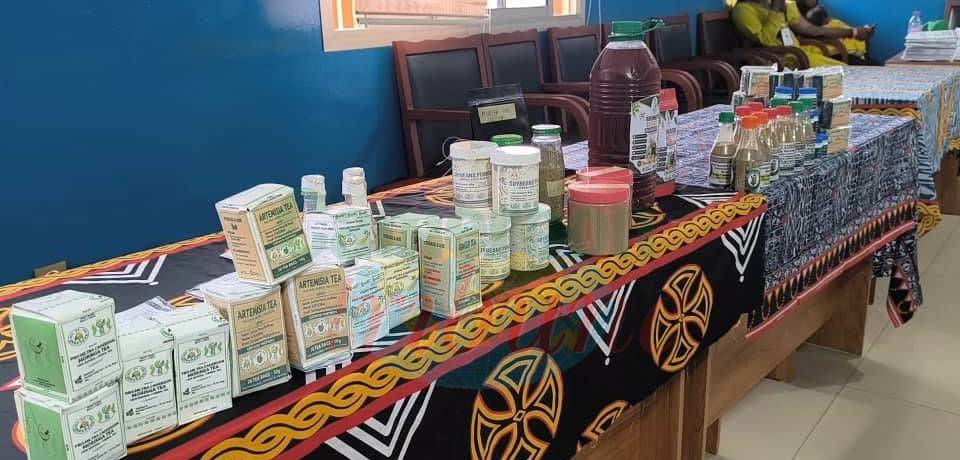
The Centre Regional Delegation of Public Health and the World Health Organization held a media briefing in Yaounde on September 3, 2026.
On September 3, 2026, the Center Regional Delegation of Public Health, DRSPC, in collaboration with the World Health Organization, WHO Cameroon Country Office, hosted a comprehensive media briefing in Yaoundé. The event was organized to prepare journalists for the official regional commemoration of the 24th African Traditional Medicine Day in the Centre Region, scheduled for September 4, 2026.
Core Pillars Of Observance
The briefing brought together key technical experts and health officials, including Dr Joelle Tonfack representing the DRSPC, Dr. Jacques Djoko, epidemiologist, and Dr. Olivier Ewane, WHO Cameroon Focal Point for Traditional Medicine. Together, they outlined the two core pillars of this year’s observance. Which are advancing scientific research to support Universal Health Coverage, UHC. And engaging traditional health practitioners as frontline partners in disease surveillance.
Evidence Base For Universal Health Coverage
The central theme for the 2026 observance, “Reflection on research and development efforts in traditional medicine for the implementation of universal health coverage in the African Region,” places scientific research and standardization at the heart of public health policy.
While the WHO has actively advocated for traditional medicine since the historic 1978 Alma-Ata Declaration, official recognition must be grounded in rigorous scientific evaluation.
WHO Recognizes Importance
"The World Health Organization recognizes the importance of traditional medicine in the health system and is actively advocating to states so that it becomes fully recognized," an official stated during the briefing.
"But this recognition by states must pass through scientific stages. That is why we are moving toward research avenues so that traditional medicine can have evidence-based elements to rely on, convincing people of its importance and even its effectiveness for our populations' health," the official pointed out.
Most Cameroonians Depend On It
With approximately 80% of the population in Africa - and a similar proportion in Cameroon - relying on traditional medicine for primary care, experts stressed that the objective is not to marginalize these practices.
But rather to secure, standardize, and enhance their value. Strengthening the link from preclinical research, quality control, and clinical evaluation to local production and pharmacovigilance will ensure safe, high-quality products. While reducing out-of-pocket health expenditure for households.
Frontline Allies
In addition to scientific research, the briefing highlighted the vital operational role traditional health practitioners play within communities. Because traditional healers are often the first point of contact for patients in rural and urban areas alike. And thus serve as crucial early warning relays for epidemic-prone and vaccine-preventable diseases.
Health authorities noted that trained practitioners can report early signs of acute flaccid paralysis (polio), measles, yellow fever, and neonatal tetanus, as well as potential outbreaks of cholera, meningitis, and mpox. Strengthening community-based surveillance through these practitioners bridges the gap between local communities and the formal health system, they said.
Legal Framework
The discussions in Yaoundé come at a pivotal moment for health regulation in Cameroon. Following the enactment of Law No. 2024/018 of December 23, 2024, on the practice and organization of traditional medicine, Cameroon stands among the most advanced countries in the region regarding legal frameworks for traditional medicine.
The landmark law legally recognizes traditional health practitioners as health professionals. Provides for the creation of a National Council of Traditional Health Practitioners. Establishes a code of ethics, and formalizes two-way referral systems between conventional and traditional medicine.
F...
Cet article complet est réservé aux abonnés
Déjà abonné ? Identifiez-vous >
Accédez en illimité à Cameroon Tribune Digital à partir de 26250 FCFA
Je M'abonne1 minute suffit pour vous abonner à Cameroon Tribune Digital !
- Votre numéro spécial cameroon-tribune en version numérique
- Des encarts
- Des appels d'offres exclusives
- D'avant-première (accès 24h avant la publication)
- Des éditions consultables sur tous supports (smartphone, tablettes, PC)


Reactions
De la meme catégorie

Affaire Martinez Zogo: Le 36e témoin entre en scène
- 27 Oct 2026 10:04
- 0 likes
Cameroon Medical Council: Newly Elected Pledges to Restore Dignity
- 27 Oct 2026 10:03
- 0 likes


Commentaires