

Cameroon Targets Infrastructure Growth: As 2027–2029 IsDB Cooperation Talks Open In Yaounde
- Par Kimeng Hilton
- 14 Sep 2026 14:56
- 0 Likes
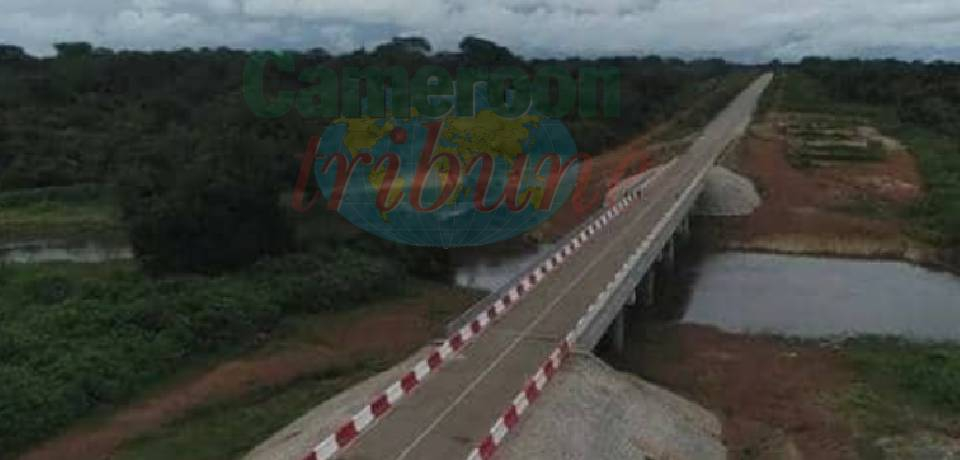
Talks between the Islamic Development Bank and Cameroon kicked off on Monday, September 14, 2026.
Bilateral negotiations officially kicked off today, Monday, September 14, 2026, between high-level representatives of the Islamic Development Bank, IsDB Group and the Cameroonian government.
The strategic sessions in Yaounde aim to finalize the blueprint for the upcoming 2027–2029 development financing framework. Marking a pivotal transition from short-term trade relief to long-term structural economic transformation aligned with Cameroon’s National Development Strategy 2030, SND30.
Successful Previous Cycle
The discussions follow a highly successful operational cycle. Under the prior 2024–2027 framework managed in partnership with the International Islamic Trade Finance Corporation, ITFC - which mobilized over $840 million - Islamic finance emerged as one of Yaounde’s most resilient capital channels. These interventions insulated key economic pillars, including major Murabaha import facilities for national oil refinery SONARA and seasonal liquidity for agro-industrial giant Sodecoton.
Strategic Priorities Under Discussion
As delegates convene this week, the 2027–2029 portfolio under negotiation focuses on four primary pillars:
Energy, Transport Infrastructure:
Leveraging non-interest Istisna’a and Ijara agreements, the IsDB Group plans to co-finance renewable energy micro-grids in rural regions. And enhance regional transit corridors connecting Douala to landlocked neighbors Chad and the Central African Republic, CAR.
Sovereign Sukuk Issuance:
To diversify national debt away from high-interest eurobonds, negotiators are shaping technical mechanisms for Cameroon’s maiden domestic Sukuk on the regional BVMAC exchange, designed to fund major public works.
Private Sector Credit, Microfinance:
Expanding on recent lines of credit extended to commercial institutions - such as AFG Bank Cameroon and CCA-Bank - the new framework aims to disburse targeted Sharia-compliant credit lines. To female entrepreneurs, youth-led MSMEs, and rural agricultural cooperatives.
Agro-Industrial Processing:
Shift funding from raw crop production to in-country industrial processing plants to maximize local economic value before export.
Engine For National Industrialization
"Islamic finance is no longer viewed merely as a niche financial alternative in Cameroon; it has become an engine for national industrialization," noted a senior official from the Ministry of Economy, Planning, and Regional Development, MINEPAT at the opening of Monday's proceedings.
With local financial institutions continuing to expand specialized Islamic banking windows (Aman, Savana, among others), the talks launched on September 14, 2026 position Cameroon to consolidate its role as Central Africa’s central hub. For ethical, asset-backed development capital.
Decades-long Relationship
The relationship between Cameroon and the Islamic Development Bank (IsDB) Group spans nearly five decades, rooted in shared goals of socio-economic development, regional integration, and sustainable poverty reduction. Cameroon’s affilia...
Cet article complet est réservé aux abonnés
Déjà abonné ? Identifiez-vous >
Accédez en illimité à Cameroon Tribune Digital à partir de 26250 FCFA
Je M'abonne1 minute suffit pour vous abonner à Cameroon Tribune Digital !

- Votre numéro spécial cameroon-tribune en version numérique
- Des encarts
- Des appels d'offres exclusives
- D'avant-première (accès 24h avant la publication)
- Des éditions consultables sur tous supports (smartphone, tablettes, PC)






Commentaires