

Addressing Unsafe Abortions: “Dynamic Femmes” Leads National Dialogue For Legal Reforms
- Par Kimeng Hilton
- 29 Sep 2026 09:54
- 0 Likes
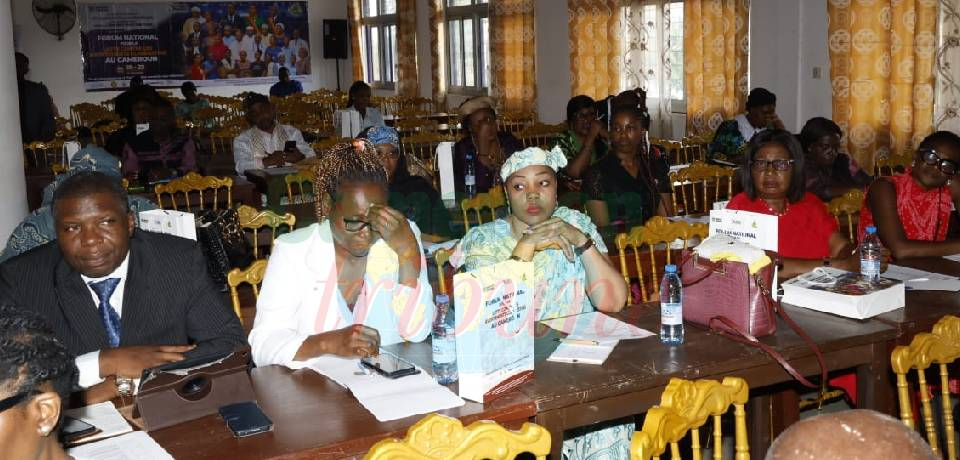
The Third National Forum on the Fight Against Clandestine Abortions is holding in Yaounde from September 28-29, 2026.
The Non-Governmental Organization, NGO, Dynamic Femmes, in partnership with Senator Françoise Puene, officially opened the two-day Third National Forum on the Fight Against Clandestine Abortions in Cameroon on September 28, 2026, in Yaounde. Running on the theme, "Clandestine abortions, regulatory framework and health constraints: What reforms to protect the life, health and dignity of women in Cameroon?" the high-level gathering convenes public decision-makers, healthcare professionals, legal scholars, civil society organizations, traditional leaders, and media representatives.
Actionable, Policy Solutions
Operating on the rallying slogan, "From knowledge to action, from observations to reforms," the national platform aims to transition from diagnosing the social and medical realities of unsafe abortions to formulating actionable, evidence-based policy solutions.
Dialogue, Evidence-based Policy
According to Mrs. Claudine Siewe, the Executive President of Dynamic Femmes, the primary purpose of the forum is to foster an inclusive, documented, and constructive national dialogue. Addressing the severe public health and social consequences of clandestine pregnancy terminations. Mrs Siewe emphasized that unsafe abortions expose women and young girls to catastrophic health risks, including severe haemorrhages, systemic infections, permanent reproductive damage, psychological trauma, and death.
Easing Healthcare Access
Opening day key presentations evaluated the progress made on recommendations from the 2024 edition, analyzed current statistical data on maternal mortality. And examined the social, economic, and health determinants of unintended pregnancies across Cameroon’s administrative regions.
Technical contributions from key civil society partners - including the Cameroon Medical Women Association, CAMNAFAW, the Society of Gynaecologists and Obstetricians of Cameroon, SOGOC, and the Cameroon Association of Female Jurists, ACAFEJ - highlighted the urgent necessity of removing institutional, legal, and social barriers to healthcare access.
Clarifying Intent, Protecting Human DignityAddressing misconceptions surrounding the advocacy movement, Maître Banga Assam of the Cameroon Bar Association, representing ACAFEJ, clarified that participating civil society organizations are not seeking to promote or encourage abortion.
She emphasized that abortion as a reckless or deliberate practice remains contrary to moral, traditional, and legal frameworks. Instead, the legal advocacy centers on establishing legal certainty and operational synergies between civil society, line ministries, and Parliament to safeguard women's health.
Extraordinary Crisis Situations
Maître Banga Assam pointed out that women and young girls frequently face extraordinary crisis situations - such as rape, incest, or critical medical complications where continuing a pregnancy poses a direct threat to the mother's life.
In such compelling circumstances, she argued, the legal and regulatory framework must be sufficiently clear and conducive to allow medical professionals to intervene safely within recognized healthcare facilities. Thereby preventing desperate women from seeking illegal procedures that result in avoidable fatalities.
Public Health ImperativesReinforcing the health dimension, Professor Joyce Endeley of the University of Buea characterized clandestine abortion as an urgent public health and human rights priority. She observed that while unintended pregnancies affect women across various demographics, young people and adolescents represent the vast majority of victims. Who suffer severe complications or death from unsafe, illegal procedures.
Domesticating Maputo Protocol
Cet article complet est réservé aux abonnés
Déjà abonné ? Identifiez-vous >
Accédez en illimité à Cameroon Tribune Digital à partir de 26250 FCFA
Je M'abonne1 minute suffit pour vous abonner à Cameroon Tribune Digital !
- Votre numéro spécial cameroon-tribune en version numérique
- Des encarts
- Des appels d'offres exclusives
- D'avant-première (accès 24h avant la publication)
- Des éditions consultables sur tous supports (smartphone, tablettes, PC)


Reactions
De la meme catégorie

En kiosque



Commentaires