

Bread Production: Regulations Shaping Recipes
- Par Mary NKEMNGONG
- 20 Oct 2026 09:56
- Likes
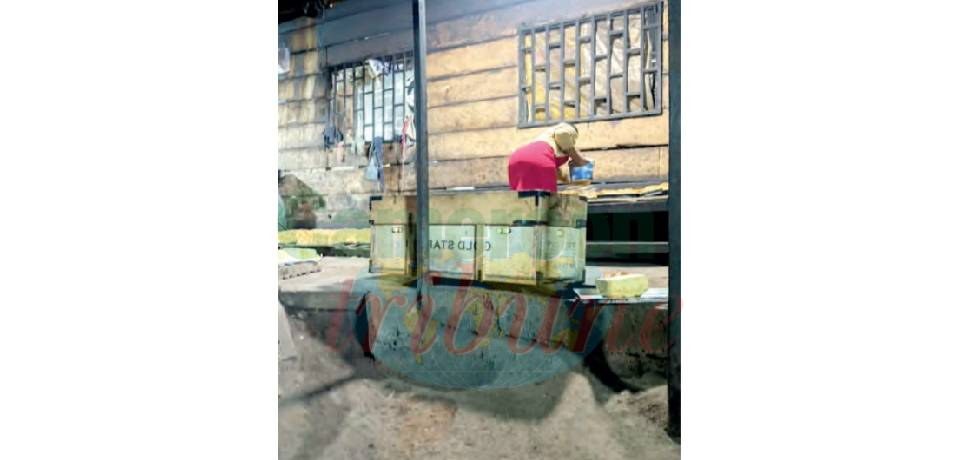
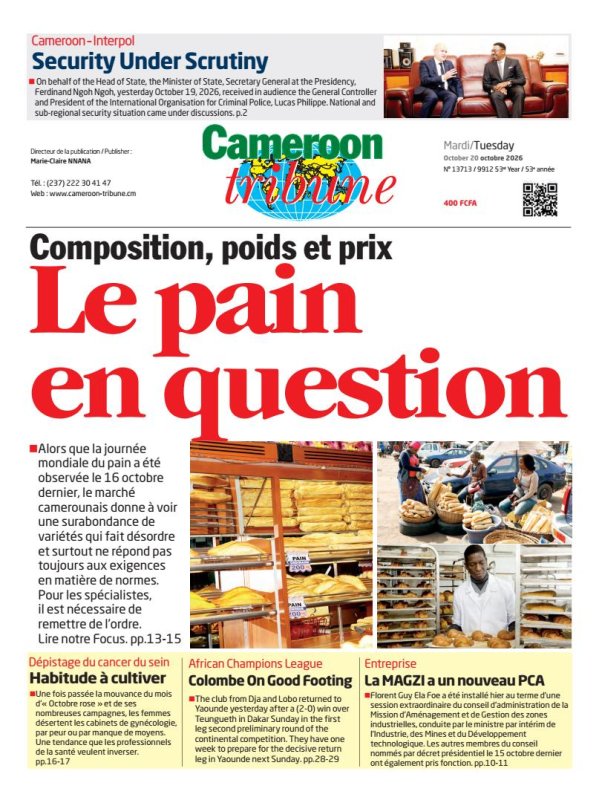
The Government’s efforts to enhance import- substitution of wheat with local produce from cassava and potato, has triggered a shift in local ingredients used by bakeries in Yaounde.
E very morning before sun rise, the smell of baked bread spreads through the streets of Yaounde, and other towns across Came roon. For many citizens, purcha sing a standard FCFA 50 to 1,000 loaf of bread often paired with cocoa spread chocolates, tea, eggs, beans or assorted types of filling inns, forms a central part of most consumer’s daily routine. However, behind this common staple lies varied pro duction conditions, that often separates modern industrial ba keries from small-scale traditional bake houses operating in neigh bourhood centres. During CT’s bakery tour in Yaounde on October 12, 2026, some modern bakeries including Calafatas, Acropole, and Elyse, were seen to operate within structured environments equip ped with industrial mixers, tiled floors, and large electric or gas ovens capable of producing thou sands of uniform bread loaves alongside assorted pastries daily. In contrast, traditional bakeries operating in rural and peri-urban areas like Obili, Nsimeyong, Bo nas, amongst others, rely on fire wood brick or mud ovens, manual kneading in wooden cribs, and high-heat environments with li mited ventilation to bake their pastries. The pastry sector is under the supervision of Cameroon’s Mi nistry of Trade (MINCOMMERCE), which deploys inspectors to strictly enforce price caps and verify that loaves meet the man dated weight standard of 200 grams. According to a local bakery owner in Obili, their local loaves of varying flavours are baked ac cording to intended prices. Conse quently, they utilize local “kilo by the eye and hand” strategy to determine the weight of their produce, a baker who opted to be anonymous explained. He added that, given the scarcity and expensive cost of wheat flour, bakers have resolved to utilising flour locally made from cassava and potatoes as stipu lated by the directives from the Ministry of Agriculture and Rural Development (MINADER). Furtherm...
Cet article complet est réservé aux abonnés
Déjà abonné ? Identifiez-vous >
Accédez en illimité à Cameroon Tribune Digital à partir de 26250 FCFA
Je M'abonne1 minute suffit pour vous abonner à Cameroon Tribune Digital !

- Votre numéro spécial cameroon-tribune en version numérique
- Des encarts
- Des appels d'offres exclusives
- D'avant-première (accès 24h avant la publication)
- Des éditions consultables sur tous supports (smartphone, tablettes, PC)






Commentaires